

'SELECT SQL_CALC_FOUND_ROWS wp_posts.ID
FROM wp_posts INNER JOIN wp_postmeta ON ( wp_posts.ID = wp_postmeta.post_id )
WHERE 1=1 AND (
wp_posts.ID NOT IN (
SELECT object_id
FROM wp_term_relationships
WHERE term_taxonomy_id IN (47485,47486)
)
) AND (
(
( wp_postmeta.meta_key = \'the_author\' AND wp_postmeta.meta_value = \'1151882\' )
OR
( wp_postmeta.meta_key = \'secondary_author\' AND wp_postmeta.meta_value LIKE \'{a50fa87811b9782049a84dd629ac675d458246c814845c6e607e241cab210f56}\\"1151882\\"{a50fa87811b9782049a84dd629ac675d458246c814845c6e607e241cab210f56}\' )
)
) AND wp_posts.post_type = \'post\' AND ((wp_posts.post_status = \'publish\'))
GROUP BY wp_posts.ID
ORDER BY wp_posts.post_date DESC
LIMIT 0, 6'
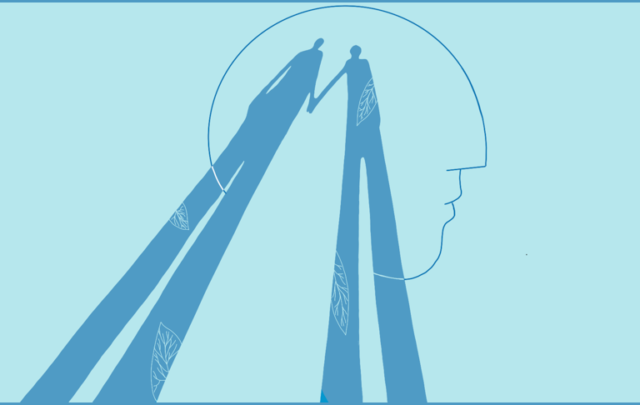
The importance of envisioning “community” (part 3)
We cannot build what we cannot envision. Our imagination, along with our ability to form our images into words to communicate to others, are perhaps the most powerful tools that humans possess. This article in a 4-part series gives a short history of “community” — how humankind lost it, and how we might regain it.
March 1, 2010

