 Now that there is a nascent movement taking form on the streets of American cities, the media are asking, Who are your leaders?, and, What are your demands?
The leaders will emerge according to their abilities. The demands will bubble up on their own as well—but here perhaps suggestions are possible. I hesitate to speak, because I do not happen to be writing from one of the #Occupy encampments, putting my personal comfort and safety on the line. However, I do have plenty of time to think (I work for a think tank, after all, so thinking is my job), and I want to help any way I can. So here goes.
I can envision an enormous list of possible demands. Our nation and indeed the world as a whole are on an unsustainable path. We’re using up Earth’s resources, we’re undermining the viability of planetary ecosystems, and we’re operating on the basis of an economic model that is fundamentally flawed. Changing all of that will require an array of initiatives and reforms too numerous to list. For a popular street-based movement to try to compile such a list and put it forward in the form of demands would be self-defeating.
A movement needs one or two simple but key demands around which everyone can unite. Let me suggest these (and they are by no means original):
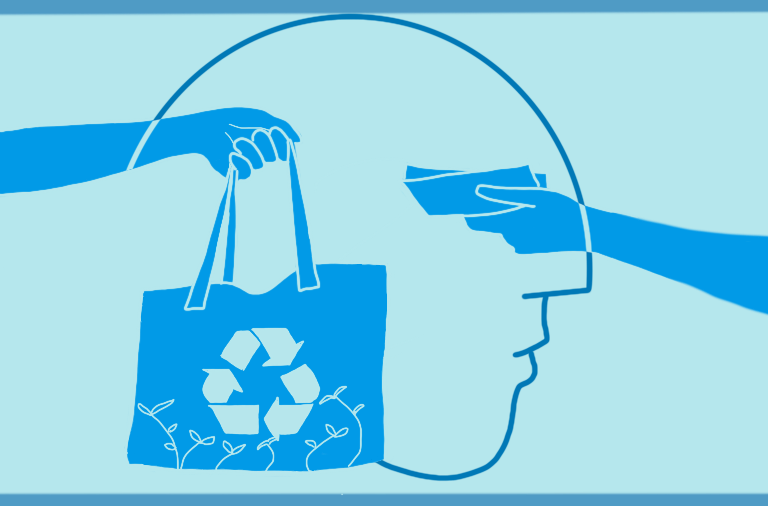
1. Get money out of politics.
2. Strip corporations of legal personhood.
Why nothing about our desperately needed energy transition, or the crisis of unemployment, or the two pointless and endless wars in which our nation is embroiled? Because these cannot really be addressed without first confronting the two issues named. Political corruption forms the bottleneck preventing effective responses to any and all of the converging economic, environmental, and political crises our nation faces.
If the #Occupy movement can accomplish these two things, it may not directly solve all our problems—in fact, it may not be possible to solve some of our worst ones; we probably must think in terms of adaptation rather than avoidance. However, it will represent a historic turn back in the direction of democracy and away from plutocracy. It could make it possible for us to initiate a meaningful public discourse about the deep, systemic adjustments that will be necessary as the new century wears on. In short, these are issues worth putting forward so as to say, “Here’s our line in the sand.”
Just my two cents.