

In Extraenvironmentalist #31 we speak with Dr. Joseph Tainter about collapse, complexity and energy. Dr. Tainter recently co-authored Drilling Down which explains why the BP Gulf Oil spill occurred in terms of the complexity that supports our society. We discuss concepts of complexity, energy and a meaningful definition of sustainability. In our conversation, Dr. Tainter covers the dynamics of the Roman Empire as it moved further down the road of collapse; debasing its currency and unraveling due the expenses of foreign wars. Seth and I ask if energy alternatives exist that can support civilization, such as from using solar photovoltaics or wind power. If they can’t, are we trapped in a complexity spiral with no way out?


Related Articles
'SELECT SQL_CALC_FOUND_ROWS wp_posts.ID
FROM wp_posts LEFT JOIN wp_term_relationships ON (wp_posts.ID = wp_term_relationships.object_id)
WHERE 1=1 AND wp_posts.ID NOT IN (1217709) AND (
wp_term_relationships.term_taxonomy_id IN (1)
) AND wp_posts.post_type = \'post\' AND ((wp_posts.post_status = \'publish\'))
GROUP BY wp_posts.ID
ORDER BY wp_posts.post_date DESC
LIMIT 0, 3'

Kokushobi: My vote for word of the year for 2026
As Japan coins a new term for “cruelly hot days,” its linguistic and institutional adaptation to extreme heat starkly contrasts with growing climate denial among U.S. political elites, revealing an emerging global split between fossil-fuel holdouts and nations pushing for a rapid energy transition.
June 9, 2026
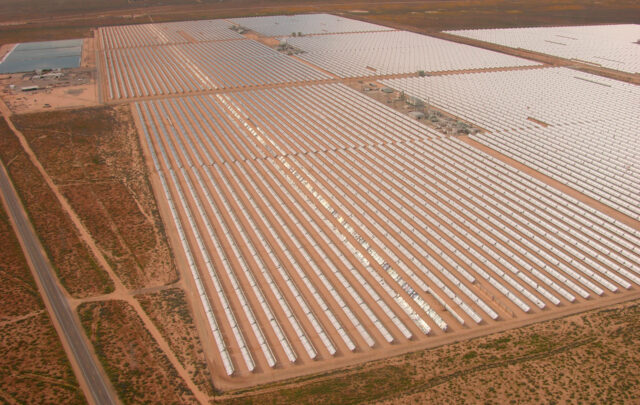
War in the Middle East made the case for renewables – what’s happening in each country tells a harder story
The war in the Middle East has exposed the costs of fossil fuel dependence, but the path to renewable energy looks very different across regions.
June 8, 2026
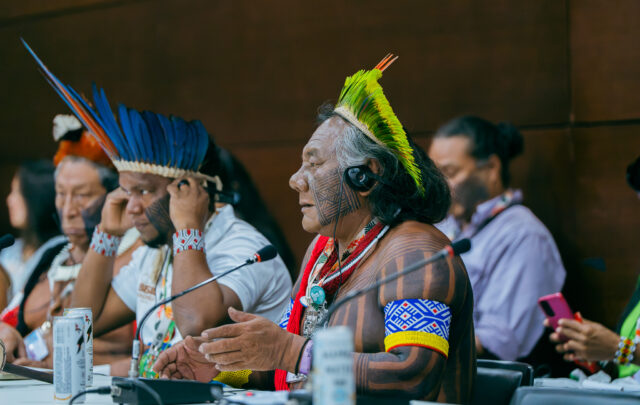
Countries must back commitments to transition from fossil fuels with action
Many participants framed the first international Conference on Transitioning Away from Fossil Fuels in Colombia as a historic turning point. But with no binding pledges and reliance on voluntary coalitions, its impact now hinges on whether governments turn rhetoric into enforceable policies.
June 5, 2026

