

Richard Heinberg, author of Powerdown, makes plain the dire situation we’re in as declining oil supplies fail to meet demand. He notes there are no easy “supply side” solutions (like substitute fuels): we must reduce demand, initially through conservation and efficiency. Julian Darley, president of Post Carbon Institute observes that while personal action is very important, individuals can only do so much. A deeper response must come at the municipal level — to change infrastructures on how we heat, transport, and power our society. Sharing, he notes, can bring enormous energy reductions almost immediately: after all, two people rather than one in a car cuts energy use per person in half. Bottom line: Americans love rising to a challenge. And this IS a challenge! (www.postcarbon.org, www.richardheinberg.com) Produced September 27, 2008. Episode 129.

Related Articles

Kokushobi: My vote for word of the year for 2026
As Japan coins a new term for “cruelly hot days,” its linguistic and institutional adaptation to extreme heat starkly contrasts with growing climate denial among U.S. political elites, revealing an emerging global split between fossil-fuel holdouts and nations pushing for a rapid energy transition.
June 9, 2026
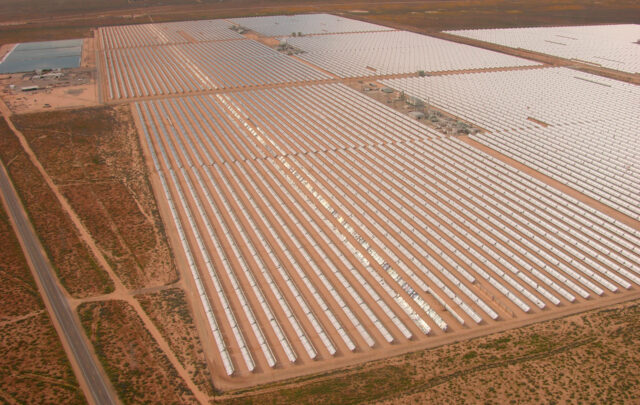
War in the Middle East made the case for renewables – what’s happening in each country tells a harder story
The war in the Middle East has exposed the costs of fossil fuel dependence, but the path to renewable energy looks very different across regions.
June 8, 2026
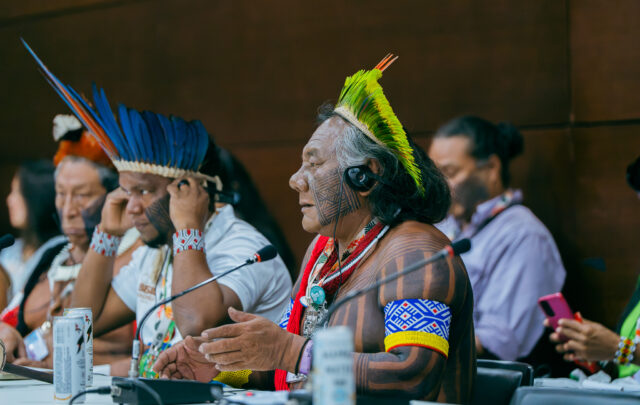
Countries must back commitments to transition from fossil fuels with action
Many participants framed the first international Conference on Transitioning Away from Fossil Fuels in Colombia as a historic turning point. But with no binding pledges and reliance on voluntary coalitions, its impact now hinges on whether governments turn rhetoric into enforceable policies.
June 5, 2026

