


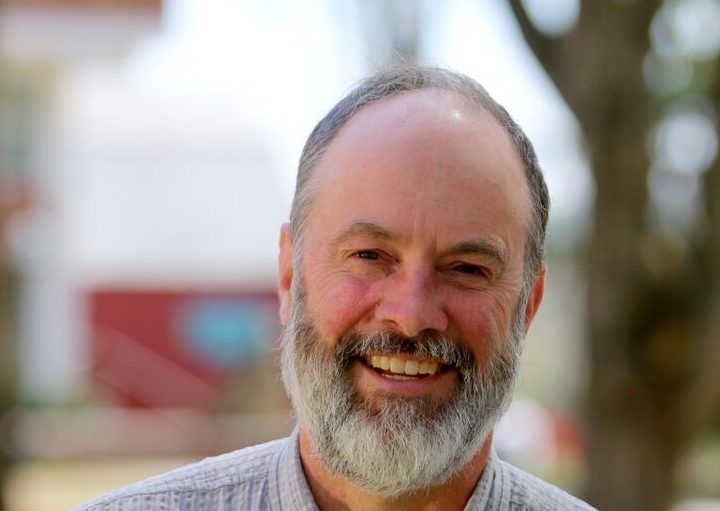
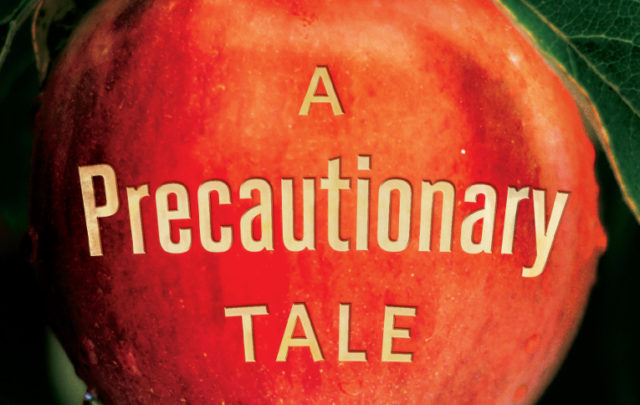
Philip Ackerman-Leist, author of Rebuilding the Foodshed: How to Create Local, Sustainable, and Secure Food Systems (2013) and Up Tunket Road: The Education of Modern Homesteader (2009), is a professor at Green Mountain College. There he established the farm and sustainable agriculture curriculum, is director of the Green Mountain College Farm & Food Project and also founded and directs a Masters in Sustainable Food Systems (MSFS) — the nation’s first online graduate program in food systems, featuring applied comparative research of students’ home bioregions. His latest book is A Precautionary Tale: How One Small Town Banned Pesticides, Preserved Its Food Heritage, and Inspired a Movement
He and his wife, Erin, farmed in the South Tirol region of the Alps and North Carolina before beginning their sixteen-year homesteading and farming venture in Pawlet, Vermont. With more than two decades of “field experience” working on farms, in the classroom, and with regional food systems collaborators, Philip’s work is focused on examining and reshaping local and regional food systems from the ground up.

1 thought on “Philip Ackerman-Leist”